XCOM: Enemy Unknown
Enemy Unknown joins turn-based squad decisions to a strategic campaign. Tactical injuries and losses matter beyond a single battle, while research and equipment decisions change the next squad’s possibilities.
Firaxis’s 2012 base game; not the 1994 original, Enemy Within, or XCOM 2.
The appeal
Lead a vulnerable team through uncertainty and live with the consequences of command.
- move
- take cover
- aim
- overwatch
- research
- equip
- deploy
Gameplay loops
Moment-to-moment loop
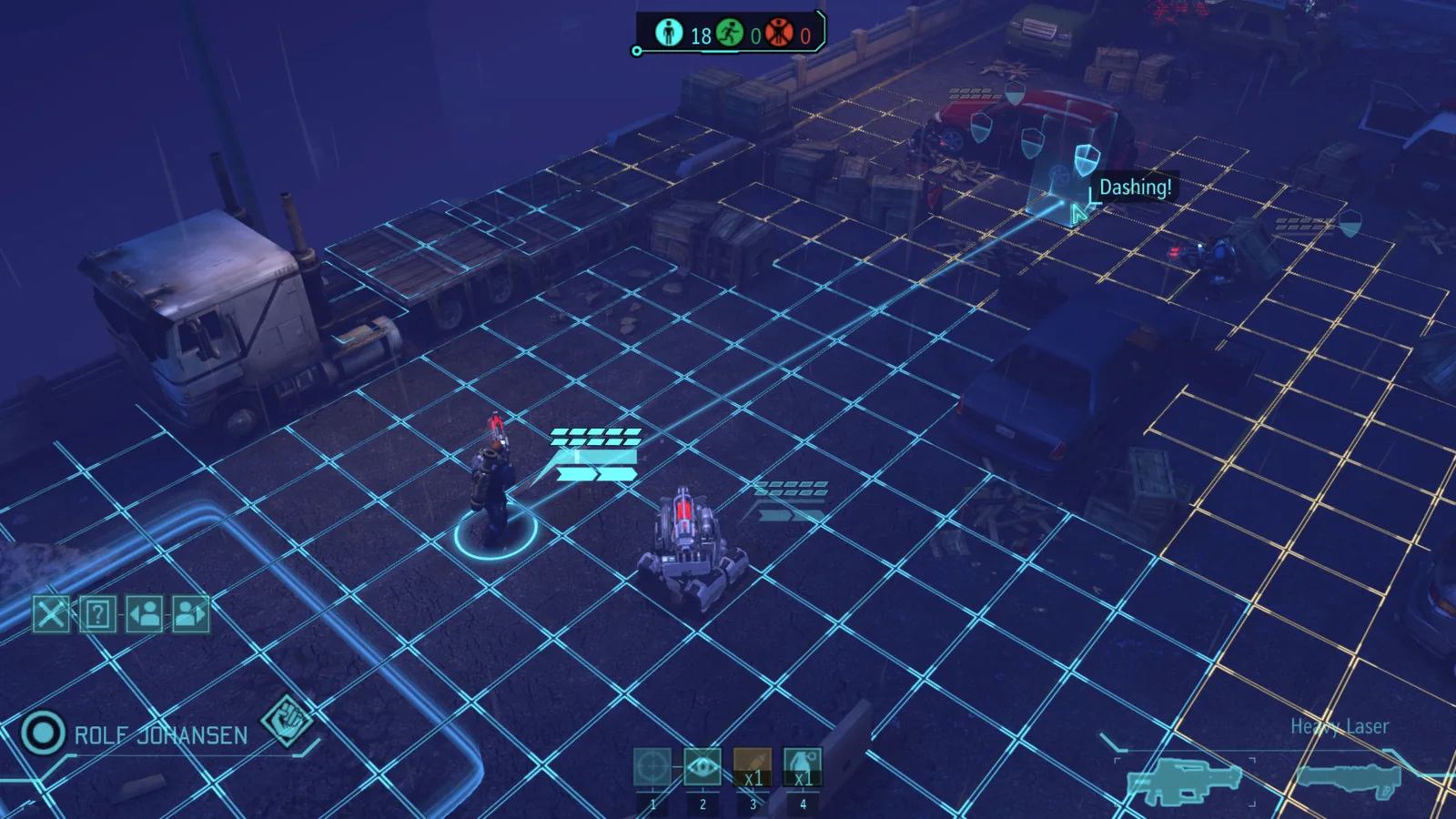
Assess visibility and cover, spend soldier actions, resolve attacks, and adapt to enemy moves.
Session loop
Choose and prepare for a mission, complete its objectives, and return with survivors, resources, and consequences.
Across sessions
Research technologies, develop the base and soldiers, and manage the wider invasion over a campaign.
Mechanics
- A constrained tactical turn
- The official manual explains movement/action choices, cover, flanking, hit chances, and Overwatch. Positioning and action order affect exposure. [1]
- Linked strategic layer
- The manual describes research, engineering, facilities, soldier development, and global management, connecting mission outcomes to future preparation. [1]
A decision
An exposed enemy could be eliminated with a risky shot, but your valuable soldier would end the turn outside good cover.
The choice combines probability with consequences. A high-percentage shot can still miss, so ask whether the plan had a survivable fallback.
What makes it interesting
Persistent soldiers make tactical losses produce stories and future constraints instead of only reducing a battle score.
Strategic preparation and tactical execution form a feedback loop. Equipment solves some problems but cannot remove every positional risk.
Where it can fall short
- Displayed probabilities can conflict with intuition. Players may feel cheated by valid unlucky outcomes unless stakes and mitigation are legible.
- Persistent loss builds investment but can encourage reloading or cautious play; difficulty and save preferences change the intended experience.
Does persistence change risk-taking?
Run two short grid battles with named soldier tokens, cover, and visible dice odds. Compare a full reset with injuries carrying into battle two.
Ask players to explain a risky choice before rolling and watch whether carryover creates thoughtful caution or stagnant play.
Notes save in this browser.
Related lessons
- Choices, uncertainty, and risk →Give players alternatives they can reason about without removing every surprise.
- Challenge, difficulty, and fairness →Create opportunities to learn and choose how costly failure should be.
- Progression and motivation →Distinguish getting better, getting stronger, and discovering something new.
- Narrative, theme, and aesthetics →Connect what a player does with the meaning and mood of the experience.
Sources
Mechanics are cited below. The analysis and exercises are our interpretation. About the sources
Checked October 19, 2026.
- 2K/Firaxis: Enemy Unknown PC manual ↗Primary rules for the 2012 base game, tactical actions, and campaign systems.
- 2K: Enemy Unknown on Steam ↗Publisher-authored overview and version identity.